The Clear Case for Hot-desking
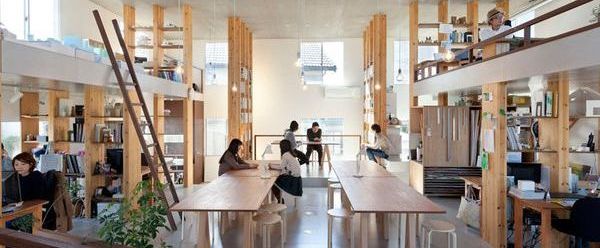
Hot-desking is a workplace strategy in which organizations promote the use of a shared workspace rather than assigning a dedicated desk to every employee. Employees use available desks as needed, often based on their schedules, work requirements, or shift patterns.
The concept has gained significant momentum in recent years, particularly among organizations with flexible working arrangements, rotating shifts, remote employees, and office spaces located in premium real-estate markets.
Industry estimates suggest that effective hot-desking strategies can help organizations reduce operational costs while improving workplace utilization and employee flexibility.
Cost Advantage
One of the most significant advantages of hot-desking is the ability to optimize office space utilization. Organizations can operate from smaller office footprints while accommodating the same workforce.
Shared workstations reduce the need for excess furniture, equipment, and dedicated infrastructure. Companies can also save on maintenance, utilities, and facility management costs.
Since workstations are shared, organizations often reduce spending on hardware devices, desk phones, office maintenance, and software licenses. This contributes directly to operational efficiency.
Better Synergy and Collaboration
Hot-desking encourages employees to interact with colleagues outside their immediate teams. This creates opportunities for collaboration, knowledge sharing, innovation, and cross-functional communication.
Employees gain exposure to different perspectives and ideas, helping foster a more open and collaborative workplace culture.
Creativity often flourishes when people from different departments engage with one another regularly, making hot-desking a valuable contributor to organizational innovation.
Flexible Working Environment
Modern employees increasingly value workplace flexibility. Hot-desking supports mobile employees, consultants, sales professionals, and hybrid workers who do not require a permanent workstation.
Employees can choose workspaces that best suit their daily activities, creating a more adaptable and employee-friendly work environment.
Flexible workplace policies often contribute to higher employee satisfaction, better productivity, and improved work-life balance.
Promotes Camaraderie
Traditional office layouts can unintentionally create organizational silos. Hot-desking encourages interaction between employees across all levels of the organization.
By removing physical barriers and promoting shared spaces, organizations can create a more inclusive and collaborative atmosphere.
This often strengthens workplace relationships and improves communication between managers, team members, and departments.
Sustainability Benefits
Hot-desking also supports sustainability initiatives by reducing resource consumption. Fewer desks, lower energy requirements, and optimized office space contribute to a smaller environmental footprint.
Organizations seeking greener operations often view hot-desking as part of a broader workplace sustainability strategy.
Important Considerations
While hot-desking offers numerous benefits, successful implementation requires careful planning and clear workplace policies.
Organizations should establish scheduling procedures, maintain clean-desk policies, and ensure employees have access to the resources needed to work effectively.
Proper execution is essential to avoid challenges such as workspace availability conflicts, employee dissatisfaction, or productivity losses.
Conclusion
Hot-desking represents a practical response to the evolving nature of work. It enables organizations to optimize resources, reduce operational costs, improve collaboration, and support workplace flexibility.
When implemented strategically, hot-desking can create a more efficient, collaborative, and future-ready workplace.
Blogs

Why Should Asset Tracking Be The First Priority?
Why Indian Corporates Must Start Paying Attention To Space Management
The Essentials Of Building Operations Management Solutions

Joining Hands With An Old Friend – Partnering ARCHIBUS Again

Smart Cities Need Smart Buildings
Case Studies
GCAA, Abu Dhabi, UAE
Cranedge India Pvt. Ltd.

EMCO, Qatar