The Big Leap from Facilities Management to Integrated Workplace Management
What is Facilities Management?
Facility Management incorporates multiple solution aspects in a structured and potentially automated manner to guarantee functionality, safety and efficiency of the facility.
It is achieved by integrating people, processes and technology. Facility Management software-driven systems have become strategic and contribute to organizational success by:
- Supporting efficiency of facilities and workforce.
- Managing risks to facilities and personnel.
- Improving operational efficiencies.
- Reducing environmental impact.
- Promoting long-term cost management.
- Utilizing the latest technology innovations.
- Reducing the impact of natural disasters.
- Guaranteeing consistency.
- Leveraging security.
Why Do We Need Building Operations Management?
Integrated Workplace Management Systems help organizations maximize resources through a centralized platform where operational data can be shared and managed efficiently.
These systems improve resource utilization, reduce costs, support space management and enhance productivity across the organization.
Functional areas of IWMS include:
- Project Management
- Real Estate & Lease Management
- Environmental Sustainability
- Facilities & Space Management
- Asset & Maintenance Management
- Capital Project Management
Benefits of Integrated Workplace Management
1. Financial Impact
IWMS solutions provide direct and indirect cost savings through optimized utilization of resources, reduced waste and increased return on investment.
Improved employee engagement and productivity also contribute significantly to financial performance.
2. Faster & More Accurate Reporting
Centralizing facility information into a single platform ensures real-time access to accurate information.
Reporting becomes faster, easier and more reliable because data is maintained in one location.
3. Optimized Utilization of Space and Resources
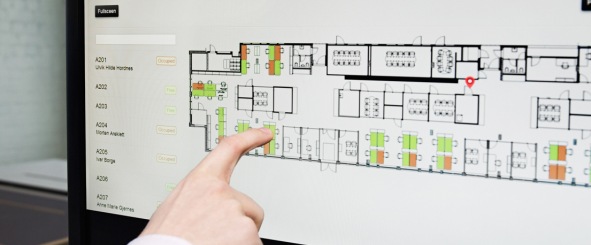
Organizations can analyze how space is being used and identify underutilized areas to improve efficiency.
IWMS solutions provide intelligent space management capabilities that can track:
- Number of Employees
- Occupancy Levels
- Square Footage
- Vacancies
- Room Types
- Assets and Equipment in Each Area
4. Improved Customer Service
Automating routine assignments such as maintenance requests, service calls and workplace moves enables organizations to serve internal and external customers more efficiently.
5. Streamlined Facilities Processes
IWMS solutions automate the sharing of relevant information across the organization and improve communication between departments.
Tasks such as generating space utilization reports and maintenance updates become easier and more efficient.
6. Increased Productivity and Efficiency
Organizations can identify inefficiencies, bottlenecks and unnecessary expenses while improving workplace performance.
Employees benefit from a supportive and productive workplace environment that increases satisfaction and efficiency.
Facilities Management vs Integrated Workplace Management System Software
Traditional Facilities Management systems primarily focused on space planning and asset management within buildings.
Integrated Workplace Management Systems extend these capabilities by incorporating technology that monitors and manages all aspects of the workplace including:
- Space Management
- Construction & Development
- Lease Management
- Project Management
- Asset Management
- Maintenance Management
IWMS software provides a flexible and user-friendly approach to workplace management while helping organizations improve productivity, awareness and cost savings.