Smart Cities Need Smart Buildings

At the 5th UCLG World Summit of Local and Regional Leaders held in Bogota, Colombia, Dr. Joan Clos, Executive Director of UN-Habitat, highlighted a thought-provoking concept: urbanization is no longer merely about building cities but about learning how to live together efficiently.
This vision of connected communities powered by Information and Communications Technology (ICT) and the Internet of Things (IoT) lies at the heart of what we call smart cities.
Smart cities encompass several dimensions including smart energy, mobility, governance, healthcare, infrastructure, technology, and citizens. One of the most critical components among these is the smart building.
How Smart Can Buildings Become?
Buildings consume a significant portion of global electricity and contribute heavily to greenhouse gas emissions. As urban populations continue to grow, reducing the environmental impact of buildings becomes increasingly important.
Smart buildings address these challenges by leveraging automation, connectivity, analytics, and intelligent controls to optimize resource consumption and operational performance.
The result is improved sustainability, lower operating costs, enhanced occupant comfort, and better utilization of available resources.
Key Characteristics of Smart Buildings
Smart buildings integrate a wide range of technologies and systems that work together to improve efficiency and decision-making.
These may include automated building management systems, wireless communications infrastructure, energy management platforms, adaptive control systems, intelligent security solutions, remote monitoring capabilities, and IoT-enabled sensors.
HVAC systems, water management systems, parking solutions, surveillance infrastructure, and lighting controls can all be connected into a unified intelligent platform.
Smarter Waste Management
Waste management remains one of the most pressing challenges for growing cities. Smart buildings can contribute significantly through intelligent waste monitoring and collection systems.
IoT-enabled waste bins can monitor fill levels, track waste segregation, and provide real-time data that helps optimize collection schedules.
Better waste visibility reduces operational costs, improves recycling outcomes, and minimizes environmental impact across the city ecosystem.
Energy Efficiency and Conservation
Energy consumption is another major focus area for smart buildings. Traditional buildings often waste energy through inefficient lighting, heating, cooling, and ventilation practices.
Intelligent lighting systems, occupancy sensors, smart thermostats, and automated controls help ensure that energy is consumed only when required and where it is required.
Building managers can remotely monitor and optimize consumption patterns, significantly reducing energy costs while supporting sustainability goals.
Towards Net-Zero Buildings
Advances in renewable energy technologies are enabling buildings to generate a substantial portion of their own energy requirements.
Solar panels, intelligent windows, energy-efficient HVAC systems, advanced insulation materials, and energy storage technologies are helping create buildings capable of producing as much energy as they use.
These net-zero energy buildings represent a major milestone in sustainable urban development and demonstrate what is possible when technology and design work together.
The Foundation of Smart Cities
Smart cities aim to address challenges related to transportation, resource management, public safety, healthcare, environmental sustainability, and quality of life.
However, these challenges cannot be solved solely at the city level. They must be addressed from the ground up, beginning with the buildings where people live, work, and interact every day.
Smart buildings provide the data, intelligence, and operational efficiency required to support larger smart-city initiatives.
In many ways, the success of a smart city depends on the intelligence embedded within its buildings.
Conclusion
Smart buildings are more than just technologically advanced structures. They are critical enablers of sustainable urban development, efficient resource utilization, and improved quality of life.
As cities continue to evolve, investments in intelligent building technologies will play a central role in shaping the future of urban living.
Simply put, smart cities need smart buildings.
Blogs

How to Maximize the Value of Enterprise Assets With Archibus

How Archibus Helps Enterprises Enable Employee Performance
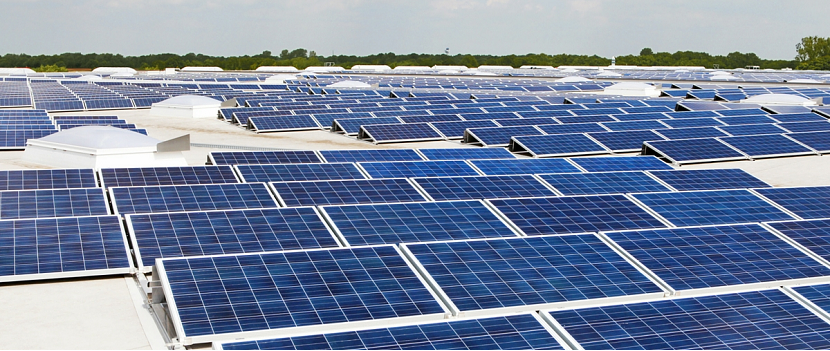
How Facilities Management Solutions Help Create Green Buildings

5 Reasons Indian Facilities Managers Are Ready To Embrace Technology

The Eye Of The Tiger – Team Travels In Tadoba
Case Studies
GCAA, Abu Dhabi, UAE
Cranedge India Pvt. Ltd.
EMCO, Qatar